Sepsis/Locked-In/Stone Man Syndromes: Combating India and the World Through AI-Driven Next-Generation Biosensors and 3d Structural Fingerprinting for Pathogen Detection, Tay-Sachs Disease, Lesch-Nyhan Syndrome, and Metabolic Disorders
Keywords:
Artificial Intelligence, Next-Generation Biosensors, Sepsis, 3D Structural Fingerprinting, Precision Medicine, Pathogen Detection, Tay-Sachs Disease, Lesch-Nyhan Syndrome.Abstract
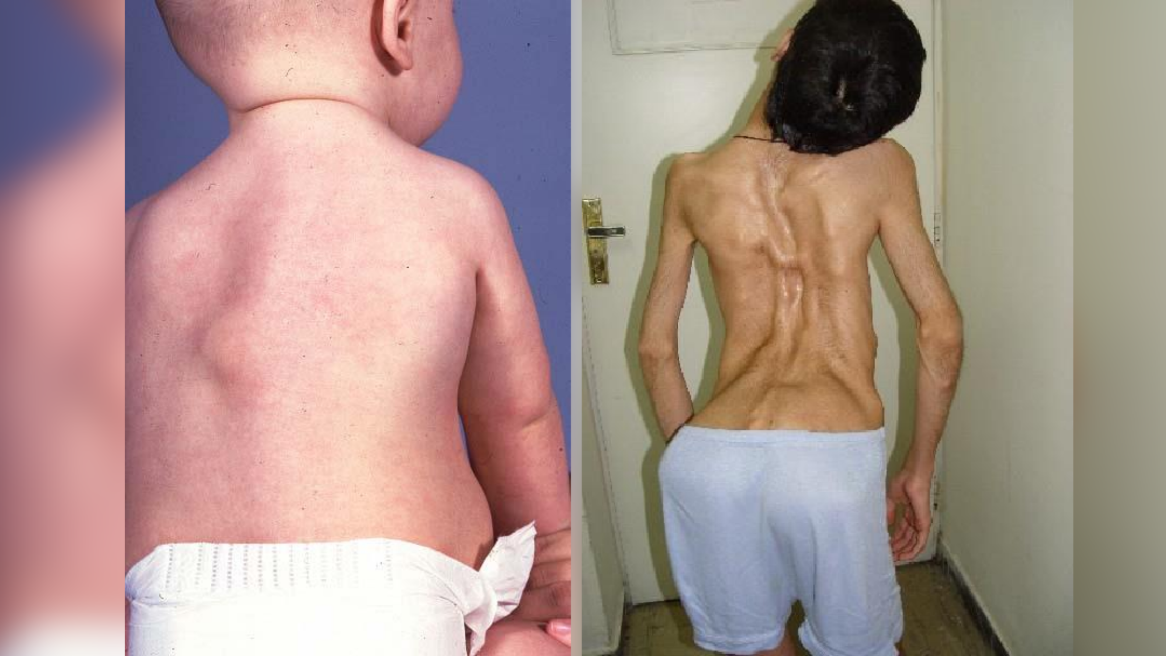
This paper reviews various complex diseases such as sepsis, Locked-in Syndrome, Fibrodysplasia Ossificans Progressiva (Stone Man Syndrome), Tay-Sachs disease, Lesch-Nyhan syndrome, and metabolic disorders. Diagnosis and treatment of these medical issues pose significant challenges in healthcare settings because of limitations associated with traditional methods used by clinicians. However, the latest advances in areas such as artificial intelligence (AI), next-generation biosensors, molecular diagnostics, genome sequencing, and 3D structural fingerprinting have brought about major breakthroughs in the process of disease detection, monitoring, and personalized treatment. First, the paper focuses on the application of AI-assisted biosensors in the process of pathogen detection, sepsis diagnosis, and monitoring of patients' health condition in real-time. Moreover, the paper addresses the use of AI, 3D structural fingerprinting, and precision medicine in studying genetics, brain functioning, and metabolic diseases. Finally, the paper discusses the possibility of using AI-powered communication technologies as a tool for helping people suffering from Locked-in Syndrome and innovative techniques used in genetic screening of Tay-Sachs disease, Lesch-Nyhan syndrome, and Stone Man Syndrome. It can be argued that all these technologies allow improving the process of diagnosing these diseases, implementing early interventions, and offering patients individualized treatments, thus eliminating reliance on traditional methods of detecting problems with patients' health.